

OC Tanner Survey Recognition Stops Being Nice to Have When It Makes Employees 7x More Likely to Stay
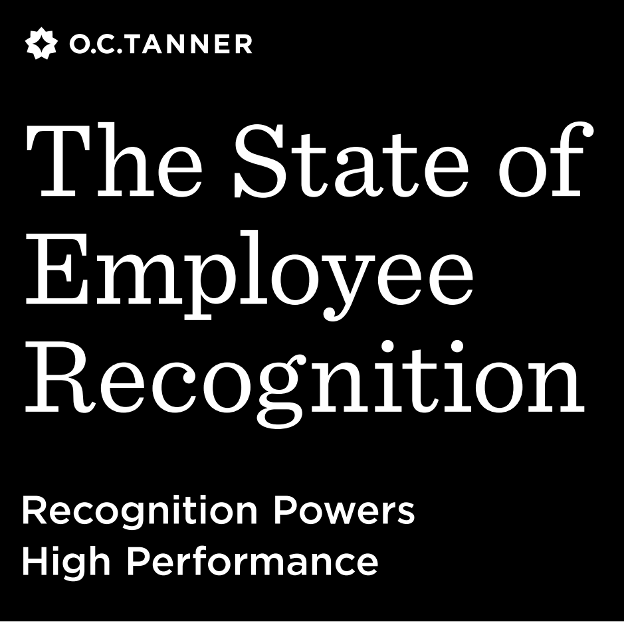 This article is about a pretty simple but strategically important finding: recognition works best when it is human-centered, integrated into daily culture, and designed to build relationships rather than merely mark milestones. O.C. Tanner argues that recognition is not a decorative HR layer; it is a performance system that strengthens community, improves retention, helps dispersed teams do great work, boosts use of recognition technology, and increases employees’ investment in organizational success. The report’s bottom is that recognition has the biggest effect when it feels personal, authentic, and socially reinforced—not generic, transactional, or bolted on after the fact.
Theme 1: Human Centered Recognition
Theme 2: Diverse and Dispersed Teams
Theme Three: Recognition Technology
Theme 4: Designer Impact
Theme 5: Recognition Champions
Click here to subscribe to RRN weekly, and here for an RRN media kit.
The O.C. Tanner State of Employee Recognition 2026 report makes an argument many organizations still resist: recognition is not fluff, sentiment, or a perk at the edges of culture—it is a structural tool for building the kind of connected, high-performance workplace that leaders keep saying they want. The study, conducted by the O.C. Tanner Institute based on 4,243 survey respondents across 10 countries and supplemented by US focus groups, finds that recognition delivers its strongest returns when it is deeply human, visibly social, and woven into the way work actually happens.
O.C. Tanner, Salt Lake City, describes itself as the company that invented the employee recognition industry a century ago and says it provides workplace culture and recognition solutions designed to help people thrive at work.
The report starts by establishing the business case for relationship-based recognition, then shows how it helps dispersed teams create trust and great work, explains why social proof determines whether recognition technology gets used, argues that awards need thoughtful design to mean anything, and closes by showing that “recognition champions” can turn appreciation from a sporadic event into a living cultural norm. The big takeaway is not that employees like being thanked—everyone already knows that. It is that organizations still underestimate how much authentic recognition shapes retention, belonging, innovation, and performance at a time when culture is increasingly built through moments of connection rather than policy alone.
O.C. Tanner’s State of Employee Recognition 2026 report is really a study in what the company feels too many organizations still get wrong about culture. They treat recognition as a downstream activity—something nice to do after the important work of strategy, operations, and management has already happened. But this report makes the reverse case: recognition is not the finishing touch. It is one of the mechanisms through which healthy performance cultures are built in the first place. O.C. Tanner frames the issue clearly: the most effective recognition supports the human need to feel seen and appreciated, and when that need is met in meaningful ways, organizations get much more than a momentary morale lift. They get stronger relationships, higher trust, better teamwork, deeper belonging, and more sustained performance.
Researchers at the O.C. Tanner Institute surveyed 4,243 individuals in 10 countries and also conducted focus groups with employees, leaders, and HR professionals across the US.
Theme 1: Human Centered Recognition
The first theme, the business case for human-centered recognition, sets the tone. The report argues that recognition matters most when it connects people to colleagues and to the meaning of their work. Recognition that is integrated into culture—not isolated in a platform, annual award, or manager script—creates much stronger communal effects. O.C. Tanner says the odds that recognition builds community rise 12x when it is integrated into the employee experience, and employees are 7x more likely to stay another year when recognition helps build relationships. That is a striking reframing. Retention, in this view, is not merely a compensation issue or a labor-market issue; it is also a connection issue. People stay where they feel visible, valued, and linked to something larger than task completion.
Theme 2: Diverse and Dispersed Teams
The second theme pushes that logic into one of the hardest realities of contemporary work: diverse and dispersed teams. As workforces spread across locations, schedules, and work modes, team cohesion gets harder to manufacture. The report’s language here is useful: integrated recognition acts as a kind of connective tissue. It strengthens positive relationships and nurtures the trust required for effective teamwork. O.C. Tanner’s most dramatic statistic may be here—there are 44x higher odds of great work when human-centered recognition is given to dispersed teams. That finding matters because it challenges the idea that recognition is somehow less essential in distributed environments. The report suggests the opposite. The more fragmented work becomes, the more organizations need rituals and systems that restore a sense of team identity and mutual regard.
Theme 3: Recognition Technology
The third theme turns to recognition technology, and this is where the report becomes especially relevant for organizations that assume platform adoption is a product-design problem alone. O.C. Tanner notes that nearly 40% of employees don’t use their recognition tools regularly, then asks why. Its answer is not primarily interface friction or feature gaps. It is social behavior. Employees are much more likely to use recognition technology when they see peers and leaders using it consistently; in fact, they are 2x more likely to use the platform when other employees visibly do so. That is an important corrective for organizations that buy tools and expect culture to follow. Technology does not generate meaning by itself. Participation, modeling, and shared norms do. Recognition platforms work when they are embedded in a social environment that shows employees what good recognition looks like and why it matters.
Theme 4: Designer Impact
Theme four, designing awards for lasting impact, makes a related point with a sharper edge. Too many awards, the report suggests, fail because they feel generic. They commemorate a process rather than a person, and they signal compliance rather than appreciation. O.C. Tanner’s logic is that when an award is intentional and given in a meaningful way, it becomes a symbol of the work itself. That symbolism matters. Employees are 10x more personally invested in helping the organization succeed when recognition is intentional. In other words, thoughtful design is not cosmetic. It is a way of telling the recipient that the organization paid attention—both to the achievement and to the human being behind it. That is what turns recognition from a box-checking exercise into a relationship-building act. (octanner.com)
Theme 5: Recognition Champions
The fifth and final theme focuses on recognition champions—people inside organizations who model, promote, and normalize recognition as part of everyday work. This may be the most practical section in the report because it shows how culture actually spreads. O.C. Tanner argues that trusted colleagues make the best champions because employees respond to authenticity more than instruction. When recognition is modeled by people others respect, participation increases, culture becomes more relational, and outcomes improve. The report links recognition champions to 4x higher odds of innovation, underscoring a broader point: appreciation is not separate from performance culture; it is one of the conditions that make better performance possible. Innovation, after all, depends on trust, openness, and a willingness to contribute—qualities that recognition can reinforce when it is genuine and visible, the report states.
The report treats recognition as a system for producing connection in workplaces that too often erode it. That matters well beyond HR, the report clarifies. It matters to leadership, to workplace design, and to anyone responsible for creating experiences that help people feel part of something meaningful. The strategic implication is hard to miss: organizations that still treat recognition as episodic, generic, or peripheral are not just missing a morale lever. They are missing one of the clearest ways to strengthen belonging, improve retention, increase adoption of culture tools, and help teams do better work together. Recognition, in this report, is not the soft stuff. It is the social infrastructure of performance.
Enterprise Engagement Alliance Services
Celebrating our 15th year, the Enterprise Engagement Alliance helps organizations enhance performance through:
1. Information and marketing opportunities on stakeholder management and total rewards:
ESM Weekly on stakeholder management since 2009; click here for a media kit.
RRN Weekly on total rewards since 1996; click here for a EEA YouTube channel on enterprise engagement, human capital, and total rewards insights and how-to information since 2020.
2. Learning: Purpose Leadership and Stakeholder
 Management Academy to enhance future equity value and performance for your organization.
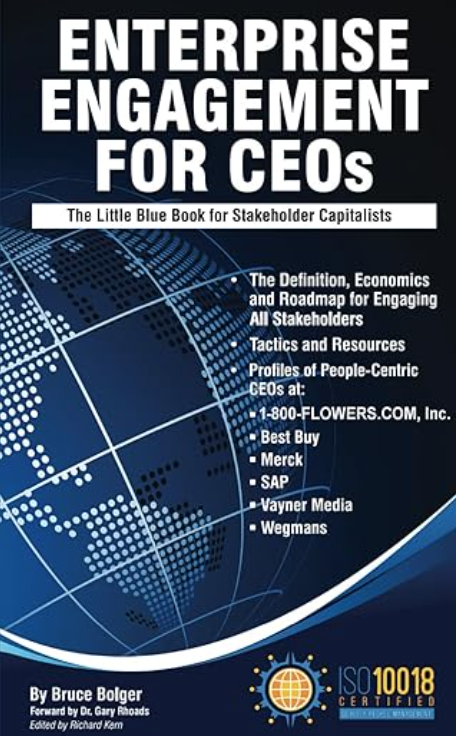
3. Books on implementation: Enterprise Engagement for CEOs and Enterprise Engagement: The Roadmap.
4. Advisory services and research: Strategic guidance, learning and certification on stakeholder management, measurement, metrics, and corporate sustainability reporting.
5. Permission-based targeted business development to identify and build relationships with the people most likely to buy.
6. Public speaking and meeting facilitation on stakeholder management. The world’s leading speakers on all aspects of stakeholder management across the enterprise.